Retro Holly: Infusing Vintage Charm into Modern Design
Dive into the vibrant world of Retro Holly, a font that masterfully blends nostalgic funk with contemporary flair. This isn't just another typeface; it's a powerful creative tool that channels the playful energy of the '70s, offering designers a unique way to inject personality and visual impact into their projects. For those in graphic design seeking to break away from minimalist trends and embrace bold expression, Retro Holly provides an immediate solution, transforming ordinary text into a captivating visual statement.
The Anatomy of a Groovy Typeface
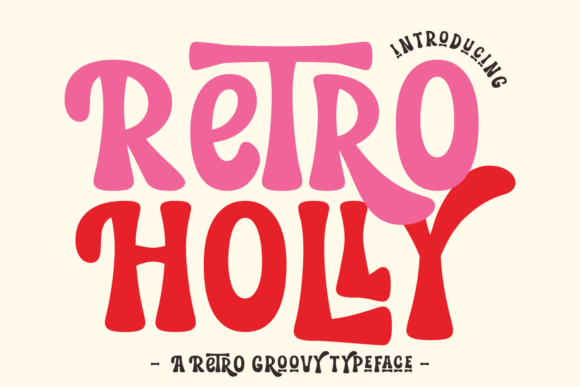
Retro Holly is characterized by its bold, bubbly letterforms and a distinct handwritten allure. Its design is a thoughtful mesh of psychedelic artistry and clean, readable shapes, making it far more versatile than a typical novelty font. Key characteristics include its chunky baseline, playful curves, and optional swash elements that add decorative flair. This retro display font often includes extra styles like wavy or alternate characters, giving designers creative control to tailor the look precisely. Understanding these features is the first step in leveraging its full potential within your visual design workflow.
Practical Applications Across Design Disciplines
The true value of a font like Retro Holly lies in its practical application. Its bold display nature makes it exceptionally effective where immediate visual hierarchy and emotional engagement are required. Consider its use in the following areas:
- Branding and Logo Design: Ideal for brands targeting a youthful, energetic, or retro-inspired audience. It can form the core of a logo or be used as a complementary accent font for a cohesive brand identity.
- Marketing and Social Media Graphics: Creates eye-catching headlines for posters, flyers, Instagram stories, and Facebook ads. Its playful nature boosts engagement and memorability in crowded digital feeds.
- Merchandise and Print Design: Shines on t-shirts, tote bags, stickers, and packaging. The font's style translates beautifully to physical products, adding a funky, artistic touch that appeals to consumers.
- Editorial and Web Design: Use strategically for pull quotes, section headers, or special feature titles in magazines, blogs, or website hero sections to create visual interest and break monotony.
- Digital Products and Creative Assets: A favorite among Procreate users and crafters for Cricut projects, it enhances digital planners, invitations, and printable wall art with its decorative scripting quality.
Integrating Retro Holly into Your Design Workflow
Adopting a distinctive font requires thoughtful implementation. To ensure Retro Holly enhances rather than overwhelms your design, follow these professional guidelines:
- Establish Visual Hierarchy: Use it primarily for headlines, titles, or key phrases. Pair it with a clean, neutral sans-serif or serif font for body copy to maintain readability and balance.
- Consider Context and Audience: While perfect for summer-themed, playful, or nostalgic projects, assess if its style aligns with the project's tone and the target audience's expectations.
- Test for Scalability and Readability: View designs at various sizes, from a small social media icon to a large printed banner, to ensure legibility. Pay attention to kerning and spacing.
- Leverage Color and Composition: Retro Holly pairs well with vibrant, warm color palettes or high-contrast monochrome schemes. Use ample white space to let the font's unique character stand out.
- Explore Font Variations: If available, experiment with the included swash, wavy, or alternate styles to create custom typographic compositions that feel unique and handcrafted.
In the ever-evolving landscape of design trends, selecting the right typography is a critical decision that influences perception, emotion, and communication. Retro Holly offers more than just a retro aesthetic; it provides a bridge between timeless artistic expression and modern design needs. By thoughtfully integrating such a distinctive creative asset, designers and creators can craft more compelling narratives, strengthen brand recognition, and deliver visually polished work that resonates deeply with its intended audience. The right font doesn't just display words—it amplifies the message.