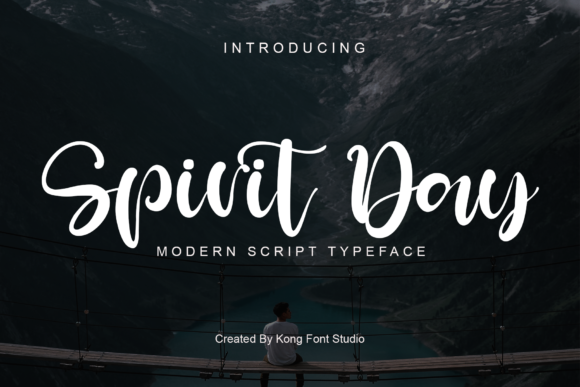
Spirit Day: A Modern Handwritten Font for Dynamic Branding
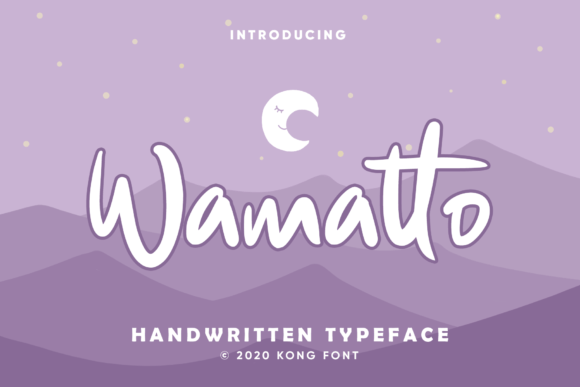
In the crowded landscape of digital content, a touch of human warmth can make all the difference. Spirit Day is a modern and playful handwritten script font that immediately infuses projects with personality and approachability. Designed by Kong Font Studio, this typeface is more than just letters; it's a versatile creative asset built for the demands of contemporary visual design. Its fluid strokes and casual elegance bridge the gap between professional polish and authentic connection, making it a standout choice for designers seeking to elevate their work.
Understanding the Visual Impact of Spirit Day
At its core, Spirit Day excels in creating an immediate emotional response. The handwritten style taps into a desire for authenticity in branding, moving away from rigid, impersonal sans-serifs. This font is engineered for clarity and flow, ensuring that while it feels personal, it remains highly legible across various applications. In graphic design, typography is a primary vehicle for tone of voice; Spirit Day sets a tone that is friendly, creative, and confidently modern. Its value lies in its ability to communicate on a human level, which is crucial for user engagement and brand recall.
Practical Applications Across Creative Projects
The true strength of this font is its remarkable versatility. It integrates seamlessly into a wide array of design contexts, ensuring your visual language remains consistent and impactful. Consider its utility in the following areas:
- Logo Design & Brand Identity: Spirit Day is perfect for creating memorable logos, especially for lifestyle brands, boutiques, cafes, or creative studios. It helps build a brand identity that feels accessible and genuine.
- Marketing & Social Media Graphics: From Instagram stories to promotional flyers, this font grabs attention. Its playful nature enhances engagement in digital marketing materials and social media content.
- Editorial & Web Design: Use it for headlines or pull quotes in magazines, blogs, or website hero sections to add visual interest and guide the user's eye through the content hierarchy.
- Packaging & Merchandise: Spirit Day shines in print design. Apply it to product packaging, t-shirt printing, tote bags, or stickers to create a cohesive and appealing unboxing experience that reinforces brand values.
- UI Design & Presentations: While best used for display purposes rather than body text, it can add flair to specific UI elements or presentation titles, making them more memorable without compromising the overall user experience.
Integrating Spirit Day into Your Design Workflow
Effective use of a font like Spirit Day requires thoughtful integration. To maximize its impact and maintain a professional presentation, consider these design principles:
- Prioritize Visual Hierarchy: Use Spirit Day for key headings, logos, or calls-to-action where you want to draw focus. Pair it with a clean, neutral sans-serif or serif font for body text to ensure readability and create a balanced composition.
- Consider Color and Context: The font's personality will interact with your color palette. A vibrant palette can amplify its playful side, while monochromatic schemes can lend it a more sophisticated air. Always test it against your brand's existing visual system.
- Evaluate Scalability and Readability: Before finalizing, test the font at various sizes, from a small web button to a large printed banner. Ensure the letterforms remain clear and maintain their intended style across all intended applications.
- Respect Audience Expectations: Align the font's aesthetic with your target audience. Its modern, playful script is ideal for markets that value creativity, youthfulness, and approachability, but may be less suited for ultra-formal corporate contexts.
Choosing the right typography is a fundamental decision in any design project, directly influencing communication effectiveness and aesthetic appeal. Spirit Day offers a powerful tool for injecting energy and personality into your work, helping to craft narratives that resonate. By selecting high-quality creative assets and applying them with strategic intent, designers and creators can significantly enhance the quality of their visual storytelling, ensuring their projects are not only seen but felt and remembered.