Sticky Graf: A Futuristic Typeface for Modern Design
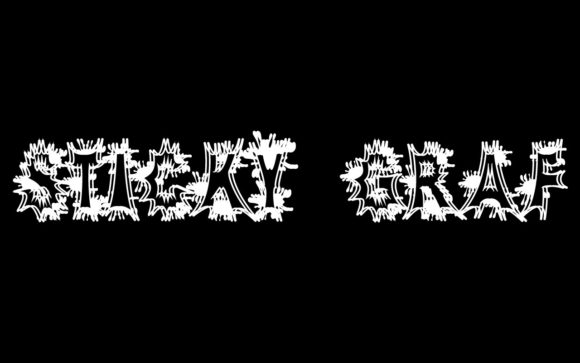
Every designer seeks that perfect typeface that captures a specific energy, instantly communicating a brand's core vibe. For projects that demand a bold, urban, and forward-thinking aesthetic, Sticky Graf emerges as a compelling solution. This display font, crafted by Patrik Losengo, is engineered to make a statement, blending street art influences with a clean, futuristic sensibility that is highly sought after in contemporary visual design.
Understanding the Visual Language of Sticky Graf
At its core, Sticky Graf is more than just a set of characters; it's a design asset built for impact. Its letterforms often feature geometric precision, subtle rounded edges, and a confident weight that ensures visibility. This typographic choice doesn't whisper; it speaks with authority, making it ideal for headlines, logos, and any application where first impressions are critical. The font's inherent character can instantly inject a modern, energetic feel into a project, helping to establish a distinct brand identity from the outset.
Practical Applications Across Creative Projects
The versatility of a well-designed display font like this one allows it to serve multiple functions within a design ecosystem. Its strong visual hierarchy makes it a reliable tool for guiding the viewer's eye.
- Branding & Logo Design: A logo sets the tone for an entire brand. Sticky Graf can serve as the foundational type for a logo mark, especially for brands in tech, streetwear, sports, or entertainment, conveying innovation and edge.
- Marketing & Advertising: In digital marketing and print ads, grabbing attention is paramount. Use it for powerful headlines in social media graphics, banner ads, and posters to cut through the noise and improve user engagement.
- Merchandise & Apparel: Given its street art vibe, this font is a natural fit for t-shirt designs, sportswear graphics, and packaging. It translates well to physical products, maintaining its integrity and appeal.
- Web & UI Design: While primarily a display font, it can be used sparingly in web design for hero sections, call-to-action buttons, or key promotional banners to create a memorable user experience.
- Editorial & Presentations: For magazines, blogs, or slide decks, employing Sticky Graf for section headers or title slides can break monotony and add a layer of professional, modern aesthetics.
Integrating Typography into Your Design Workflow
Choosing a font is a strategic decision that affects readability, scalability, and overall cohesion. When incorporating a bold typeface like Sticky Graf, consider these practical tips for a polished result:
- Pairing is Key: A high-impact display font requires a complementary partner. Pair it with a simple, clean sans-serif or a neutral serif for body text to ensure readability and create a balanced visual hierarchy.
- Test for Scalability: Evaluate the font at various sizes. A design that looks great on a billboard must also remain legible on a mobile screen or a small product label. Check how the letterforms hold up in both large and small contexts.
- Align with Brand Goals: Does the font's personality match your target audience and brand message? A futuristic, street-style font may not suit a traditional law firm, but it's perfect for a gaming startup or a urban fashion label.
- Respect White Space: Bold fonts often benefit from generous spacing. Adjusting kerning and tracking can improve legibility and give the design room to breathe, enhancing its professional presentation.
Ultimately, the power of a creative asset like Sticky Graf lies in its ability to solve communication problems visually. By thoughtfully selecting and applying typography that aligns with your design goals, you elevate your work from merely decorative to strategically effective. Quality creative resources streamline the design workflow, allowing you to focus on crafting compelling narratives and building stronger connections between brands and their audiences. In a crowded visual landscape, making intentional choices with your type is not just an aesthetic decision—it's a fundamental component of successful design.